
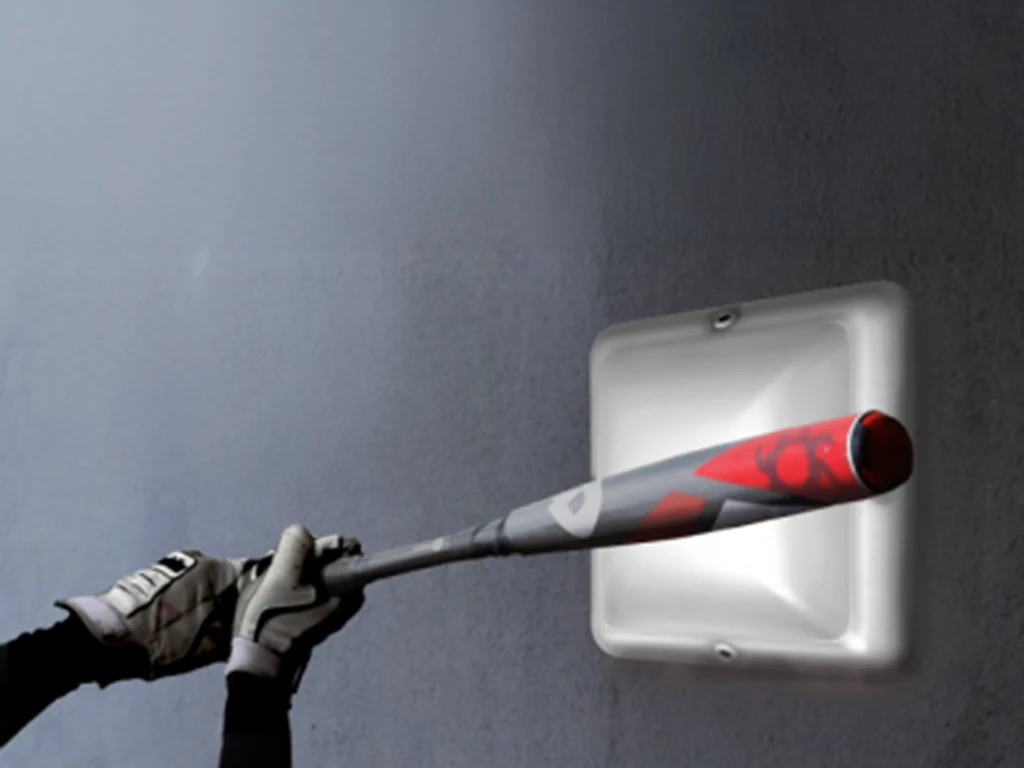
Why demanding environments require a different approach
In a circulation route, station, public facility or sensitive setting, the question is rarely only how much light a luminaire provides. The environment can introduce accidental impacts, deliberate misuse, frequent cleaning, restricted maintenance windows or difficult access. A useful specification starts by defining those conditions rather than by selecting a product family first.
That conversation should include the people who operate and maintain the space. It should distinguish routine wear from foreseeable misuse, and examine mounting, cabling, access to fasteners, cleaning methods and replacement strategy. The result is a coordinated lighting decision, not a claim that one feature resolves every safety concern.
Understanding impact resistance without reducing selection to one rating
The IEC 62262 IK code classifies the protection provided by equipment enclosures against external mechanical impacts. It is a valuable reference when impact is relevant, but it describes a defined test condition rather than every risk a fitting may encounter in use. The applicable product documentation, mounting arrangement and installation context still need review.
An IK value therefore supports comparison; it does not automatically establish vandal resistance, anti-ligature performance, secure-room suitability or project compliance. A luminaire can also be affected by its substrate, fixings, accessible edges, lens material and the way it is installed. Project teams should ask what is being protected, what type of force is foreseeable and what evidence is required for the particular application.
Vandal resistance and construction considerations
Vandal resistance is broader than an impact test. Recessed or robust housings, protected lenses, controlled access to fixings and appropriate materials may all matter, but their relevance depends on the project risk assessment. It is important to avoid treating an anti-vandal description as a universal performance statement.
For example, anti-ligature requirements concern a different set of risks and must be assessed against the full environment and the relevant authority requirements. They should not be inferred from IK data or from a general robust-construction claim. Where secure or custodial applications are involved, the design team and responsible specialists should define the required evidence, installation details and approval route early.
Secure and custodial environments, transport and public areas
Secure and custodial spaces require a coordinated approach to the whole room, not a single luminaire rating. Sightlines, emergency strategy, mounting locations, tamper resistance, maintenance procedures and local requirements can all affect the choice. CAPALIGHT can help the project team structure the product conversation with specialist manufacturers, while final decisions remain with the appointed project parties.
In transport, infrastructure and public areas, the emphasis may be different: high footfall, cleaning, accidental impact, vibration, weather exposure and access constraints often need to be balanced. The relevant application sections on robust and high-security lighting and transport and infrastructure provide a starting point for this discussion.
Maintainability, access and lifecycle considerations
Resilience also includes what happens after handover. A fitting that is difficult to inspect, clean or service can create avoidable operational disruption. Consider safe access, the availability of compatible replacement components, isolation procedures, cleaning products, expected interventions and the impact of a failure on the wider facility.
Sécurlite is one example of a specialist manufacturer represented by CAPALIGHT whose portfolio can inform a robust-lighting discussion. That does not make every product suitable for every project. The selected model, configuration, documentation and installation must be reviewed against the brief.
Questions to define before selecting a solution
- What impacts, misuse or environmental conditions are reasonably foreseeable?
- Which performance evidence or authority approvals are required for this exact location?
- How will the luminaire, fixings and adjacent surfaces work together?
- Who will clean, inspect and maintain the installation, and with what access?
- What photometric, emergency, control and lifecycle requirements sit alongside resilience?
How CAPALIGHT supports specification
CAPALIGHT helps project teams clarify the brief, identify relevant specialist options and coordinate manufacturer information, samples or studies through the project-support process. This support complements the responsibilities of the appointed design, safety and compliance teams; it does not certify a project or replace their assessment.
Sources and further reading
Discuss a demanding lighting environment
Share the application, constraints and available project information with CAPALIGHT.
Discuss your project